
What is the Bariatric Diet?
If you’re preparing for a bariatric procedure or just starting to explore weight loss options, you’ve probably heard the term “bariatric diet” more than once. But what exactly does that mean?
Simply put, a bariatric diet is a structured eating plan designed to help your body prepare for and recover from surgical and nonsurgical weight loss procedures. It focuses on nourishing foods, smaller portions, and mindful eating habits that support long-term health and lasting results.
Following a bariatric diet plan helps your body adjust to smaller meals, heal properly after a surgery or procedure, and maintain steady weight loss over time.
More importantly, it’s about creating a new, balanced relationship with food that helps you feel your best, inside and out.
Who Can Benefit From the Bariatric Diet?
You don’t have to undergo surgery to benefit from a bariatric diet plan. Many people who choose nonsurgical bariatric procedures—such as gastric balloons, endoscopic sleeve gastroplasty (ESG), or other minimally invasive treatments—follow a similar eating approach to support their results.
The goals are the same: to promote steady, healthy weight loss and to help you build lasting habits around portion control and mindful eating. A bariatric diet can also help your body adjust to changes in stomach capacity or appetite that often come with nonsurgical options.
Before the Procedure: The Pre-Bariatric Surgery Diet
Before the surgery or nonsurgical weight loss procedure, your healthcare team will likely recommend a pre-bariatric surgery diet to help you prepare physically and mentally for the changes ahead.
This short-term eating plan is designed to reduce fat around your liver and other organs to make the procedure safer and recovery smoother.
During this phase, the focus is on high-protein, low-carbohydrate meals that help preserve muscle and promote fat loss. Think lean meats, eggs, Greek yogurt, and plenty of non-starchy vegetables. You’ll also want to cut back on sugar, processed foods, and carbonated drinks.
Hydration is another key piece of the puzzle. You will want to drink water regularly throughout the day, but avoid sipping during meals to prevent overfilling your stomach.
This stage is where you will start building habits that will carry you through your bariatric journey—like mindful eating, portion awareness, and planning meals ahead. It’s not about perfection, but progress and setting yourself up for success.
After Surgery: The Bariatric Liquid Diet
Once your surgery or procedure is complete, your body needs time to heal, and that’s where the bariatric liquid diet comes in. This stage may feel like a big adjustment, but it’s a short and important part of recovery that helps protect your body while ensuring you get the nutrients you need.
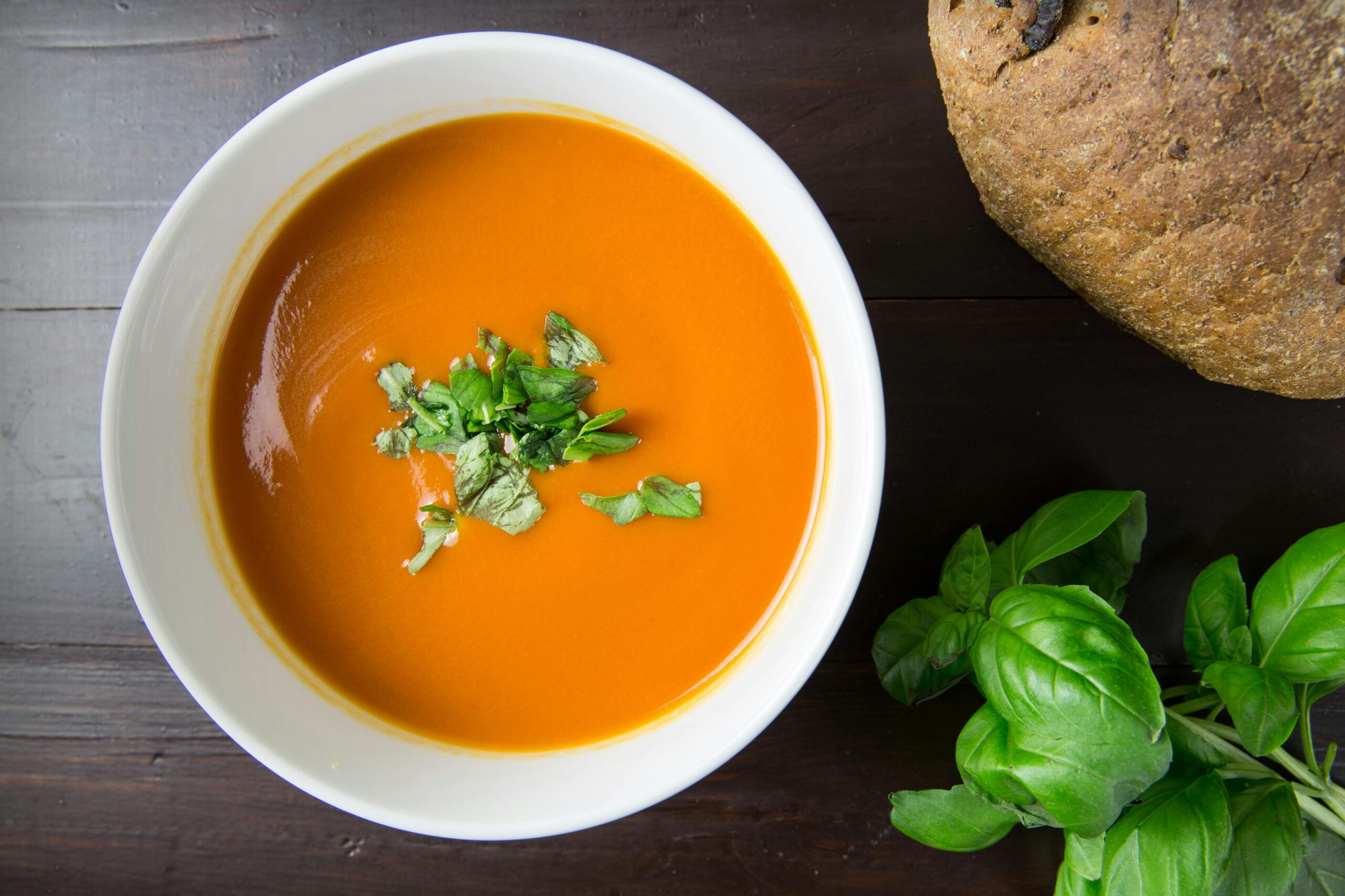
In the first few days, you’ll typically start with clear liquids like water, broth, and sugar-free gelatin. As your body adjusts, you’ll move on to full liquids like protein shakes, low-fat milk, and smooth soups. Protein is your best friend during this phase because of how it helps your body heal and maintain strength.
It’s normal to feel impatient, but remember: this phase doesn’t last forever. Sipping slowly, staying hydrated, and focusing on gentle nutrition will help you transition smoothly to the next stage.
If plain liquids get boring, try adding variety—flavor your water with a splash of lemon or choose a few different protein shake flavors to keep things interesting. Every small effort helps make this step a little easier.
The Transition: Moving from Liquids to Soft and Solid Foods
After the liquid phase, you’ll gradually start reintroducing foods with more texture—and this is where things start to feel a bit more “normal” again. The key is to take it slow and listen to your body every step of the way.
You’ll typically move through a few stages during this transition:
- Pureed foods: These are smooth and easy to digest, such as scrambled eggs, Greek yogurt, mashed beans, or blended soups.
- Soft foods: Once purees sit well, you can add in tender meats, cooked vegetables, and soft fruits like bananas or peaches.
- Regular foods: Eventually, you’ll work up to small portions of regular foods, focusing on lean proteins, fiber-rich veggies, and minimally processed foods.
This phase is all about learning new habits. Eat slowly, chew thoroughly, and stop as soon as you feel full. It can help to use smaller plates and utensils to control portions and remind yourself to pace your meals.
Most importantly, remember that everyone’s timeline is different. Some days will feel easy, and others may take a little patience—but every bite brings you closer to long-term success.
Long-Term Success: Maintaining a Healthy Bariatric Diet Plan
Once you’ve transitioned back to regular foods, it’s time to focus on what your bariatric diet plan will look like long-term. This phase isn’t about following strict rules. This step in the process is about finding a healthy balance that supports your goals and feels sustainable for everyday life.
A typical bariatric-friendly plate centers around lean protein (like chicken, fish, tofu, or eggs), non-starchy vegetables, and small portions of complex carbs such as beans, lentils, or whole grains. Over time, you’ll get better at recognizing fullness cues and knowing what your body truly needs.
It’s also important to practice mindful eating—put away distractions, take your time, and enjoy each bite. Avoid drinking fluids during meals, since that can make you feel overly full.
Meal prepping can be a huge help here. Simple, nutrient-rich options like cottage cheese with berries, grilled chicken with steamed veggies, or a protein smoothie can make it easier to stay on track.
And remember, progress doesn’t happen overnight. Be patient with yourself, celebrate small victories, and check in regularly with your care team or a dietitian for continued support and guidance.
Conclusion
Whether you’re preparing for surgery, recovering afterward, or exploring nonsurgical options, the bariatric diet offers a clear, supportive path toward lasting wellness. This process helps you create new habits, find foods that nourish you, and learn to listen to your body in a whole new way.
Every stage of the journey plays an important role, from the pre-bariatric surgery diet that prepares your body, to the bariatric liquid diet that helps it heal, and finally to the long-term plan that keeps you feeling your best.
Remember, there’s no such thing as a “perfect” diet—only progress, consistency, and self-compassion. With the right guidance, patience, and a plan that fits your lifestyle, you’ll be well on your way to a healthier future.
Take the Next Step Toward a Healthier You
If you’re looking for extra help on your weight loss journey, our nonsurgical options can provide a safe, effective boost while you focus on building healthy habits and a positive mindset.
If you’re in the Tampa Bay area and think you might be a good candidate for our nonsurgical weight loss options, Bariatric Endoscopy at Tampa Bay is here to help. Our expert team will guide you through the process and support you at every stage before, during, and after your procedure.
Call us at (727) 826-7031 today or fill out our online form to schedule your consultation.
For more weight loss tips, check out our blog.
